
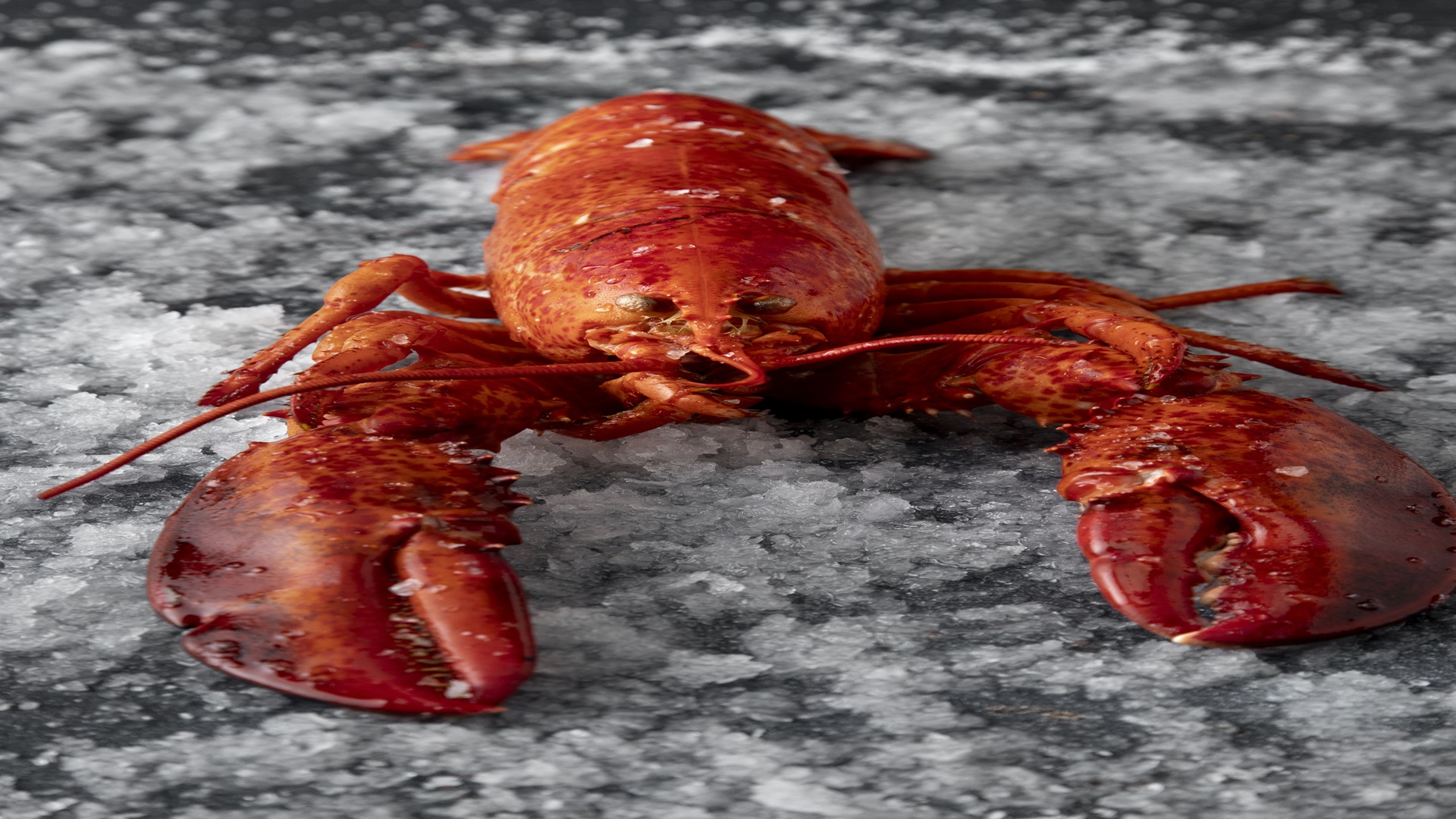
From Ocean to Plate: How Global Seafood Gets to Your Table
Have you ever paused to wonder how your favorite seafood—whether it’s buttery shrimp, delicate tuna, or rich king crab—travels across the globe to reach your plate fresh and flavorful? The global seafood industry is a complex yet fascinating supply chain that links the ocean’s bounty to kitchens, hotels, and restaurants around the world. Understanding this journey helps consumers and businesses make more informed, responsible, and delicious choices.
In this blog, we unpack the five key stages of the global seafood journey: harvest, processing, logistics, distribution, and delivery.
🐟 1. The Catch: Wild vs. Farmed Seafood
Seafood begins its journey either from the open waters or in controlled aquaculture systems.
Wild-Caught: This includes ocean fishing, trawling, long-lining, and small-scale artisanal fishing. Countries like Norway, Japan, and Canada lead in wild-caught exports.
Farm-Raised (Aquaculture): Controlled systems raise species like salmon, tilapia, or shrimp, ensuring year-round availability. Major players include Vietnam, Chile, and China.
Each method requires licenses, sustainable practices, and catch documentation for export clearance—making traceability essential.
🧊 2. Processing & Quality Control
Once harvested, seafood must be cleaned, sorted, graded, and preserved—often near the source—to maintain its freshness and safety.
Freezing/Chilling: Most seafood is flash-frozen within hours of catch to lock in nutrients and prevent spoilage.
Filleting & Portioning: Fish are cut into market-ready portions (fillets, steaks, cleaned shellfish, etc.).
Packaging: Vacuum-sealed, labeled (with date, source, species), and packed for cold storage.
Certifications: Top exporters follow HACCP, ISO, and BRC Global Standards to pass strict food safety audits.
🚛 3. Cold Chain Logistics: Keeping It Fresh
The “cold chain” is a refrigerated supply chain that ensures seafood remains between 0°C and -18°C from source to destination.
Reefer Containers & Air Freight: High-value products (like lobster, oysters, and sashimi-grade tuna) are often flown overnight in temperature-controlled boxes.
Sea Freight: More cost-effective for bulk frozen exports (e.g. mackerel, squid, shrimp).
GPS & Temp Tracking: Modern shipments are monitored to prevent even slight temperature fluctuations.
This stage is critical—a break in the cold chain can ruin an entire shipment.
🌍 4. Distribution: Regional Hubs & Buyer Markets
After customs clearance, seafood arrives at regional distribution hubs—often in Europe, Asia, or the U.S.—and is further processed, rebranded, or dispatched to:
Retail Chains & Supermarkets
Hotels, Restaurants & Catering Services (HORECA)
Wholesalers & Local Resellers
Exporters often rely on trade platforms like Alibaba, Sea-Ex, or SeafoodSource to connect with verified buyers globally.
🏡 5. Delivery: The Final Mile
The last stage is either B2B (bulk supply to institutions) or direct-to-consumer via seafood e-commerce platforms.
Online Orders: Packaged in dry ice or gel packs, shipped via overnight courier.
Home Delivery: Some regions (e.g. U.S., Canada, Japan) now offer same-day delivery of fresh seafood.
Subscription Boxes: Growing in popularity—monthly deliveries of curated seafood selections.
This final mile is often where branding, presentation, and customer experience shine the most.
🌱 Why It Matters: Choosing the Right Supplier
With this complex global process, choosing a trusted seafood partner makes all the difference. You want one that:
Prioritizes sustainability & certifications
Offers full product traceability
Has strong cold chain infrastructure
Provides consistent quality and communication
We enable innovation. From ideation all the way through to market delivery.
On order over $50
Free– spend over $99
We offer competitive prices
We guarantee our products
Sed ut perspiciatis unde omnis iste natus error sit voluptatem accusantium doloremque laudantium, totam rem aperiam, eaque ipsa quae ab illo inventore veritatis et quasi architecto beatae vitae dicta sunt explicabo. Nemo enim ipsam voluptatem quia voluptas sit aspernatur aut odit aut fugit, sed quia consequuntur magni dolores eos qui ratione voluptatem sequi nesciunt.
Neque porro quisquam est, qui dolorem ipsum quia dolor sit amet, consectetur, adipisci velit, sed quia non numquam eius modi tempora incidunt ut labore et dolore magnam aliquam quaerat voluptatem. Ut enim ad minima veniam, quis nostrum exercitationem ullam corporis suscipit laboriosam, nisi ut aliquid ex ea commodi consequatur? Quis autem vel eum iure reprehenderit qui in ea voluptate velit esse quam nihil molestiae consequatur, vel illum qui dolorem eum fugiat quo voluptas nulla pariatur
Nunc eleifend sollicitudin laoreet. Praesent luctus eget nibh eu posuere. Aliquam elementum tristique mi, nec tincidunt ex sagittis a. Integer nec elit quis purus hendrerit maximus nec eget felis.
Sed ut perspiciatis unde omnis iste natus error sit voluptatem accusantium doloremque laudantium, totam rem aperiam, eaque ipsa quae ab illo inventore veritatis et quasi architecto beatae vitae dicta sunt explicabo. Nemo enim ipsam voluptatem quia voluptas sit aspernatur aut odit aut fugit, sed quia consequuntur magni dolores eos qui ratione voluptatem sequi nesciunt.